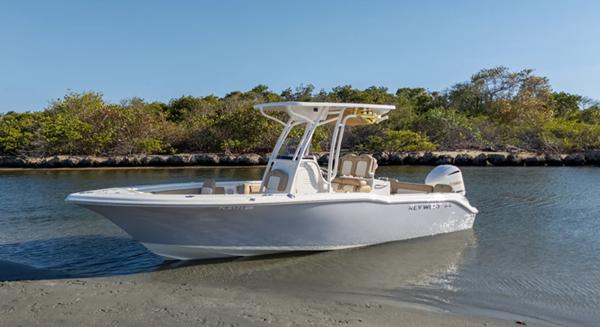
A few weeks ago, a normal afternoon on the water turned into one of the most sobering experiences of my life. We had friends in town and took the boat out to the sandbar here in Stuart. It was a quiet Monday; the tide was coming in, and a strong current moved through the channel.
At some point, the anchor pulled loose. By the time I noticed, the boat had drifted away from the sandbar. My wife was on board, trying to get it back under control, but the engine had stalled. From where I stood, the situation looked manageable, but that assumption was my first mistake.
I went into the water thinking I could simply swim to the boat, but a few minutes later I was exhausted, caught in a current stronger than I had realized, and no closer to where I was trying to go. The boat was still ahead of me, the sandbar was behind me, and for the first time in my life, I had the very real thought that I might not make it back.
The hardest part wasn't the current; it was panic. Once I realized I was in trouble, my body wanted to do exactly the wrong things: breathe faster, fight harder, move quicker, react. The more I did that, the harder it became to think. That may have been the most unsettling part of the whole experience...realizing how quickly fear can take over the decision-making process right when you need clear judgment the most.
Fortunately, I had another thought competing with the panic: panic is not useful. That's something years of martial arts training taught me, and something I've seen repeatedly in my career working with grain businesses through difficult markets. When pressure rises, emotion gets louder — but it doesn't necessarily get smarter.
So I stopped fighting the situation long enough to assess it. I slowed my breathing, rolled onto my back, and let myself float. I paid attention to the current instead of fighting directly against it, and eventually worked my way into shallow water. I sat there for a while, exhausted and grateful, before flagging down another boater to help me pull the boat off the sandbar it had drifted onto. My wife had stayed with it the whole time and was every bit as relieved as I was once it was over.
But once the adrenaline wore off, what stayed with me wasn't the swim. It was what had happened before it. The emergency started long before I was ever in the water.
Looking back, there was no single catastrophic mistake, just several small ones: I hadn't made sure the anchor was fully set, I hadn't trained someone else to confidently handle the boat under pressure, and I hadn't been watching closely enough while everything appeared fine. Then, when the situation changed, I reacted before I took the time to fully understand what was happening.
None of those decisions felt especially dangerous at the time. That's the point. Most problems don't look like problems when they begin. They look like ordinary assumptions: things that have worked before, things you plan to address later, things that are easier to handle yourself, things that seem fine because, so far, they have been. Until conditions change.
That's where the grain business felt very familiar. In this business, serious problems rarely arrive with a warning label; they build quietly. A basis position grows beyond what was intended. Cash or credit exposure creeps higher. A spread is carried longer than planned. A counterparty is trusted because the relationship has always worked. A critical responsibility lives in one person's head because training someone else takes time.
For weeks or months, none of that may create a visible problem. The business keeps moving, the phones keep ringing, the grain keeps moving...and because nothing is obviously wrong, it's easy to assume nothing needs attention. That's where risk becomes dangerous. Not because the market suddenly became unfair, and not because someone failed to predict the future, but because something manageable was left unmanaged long enough for the environment to expose it.
Manage the Manageable
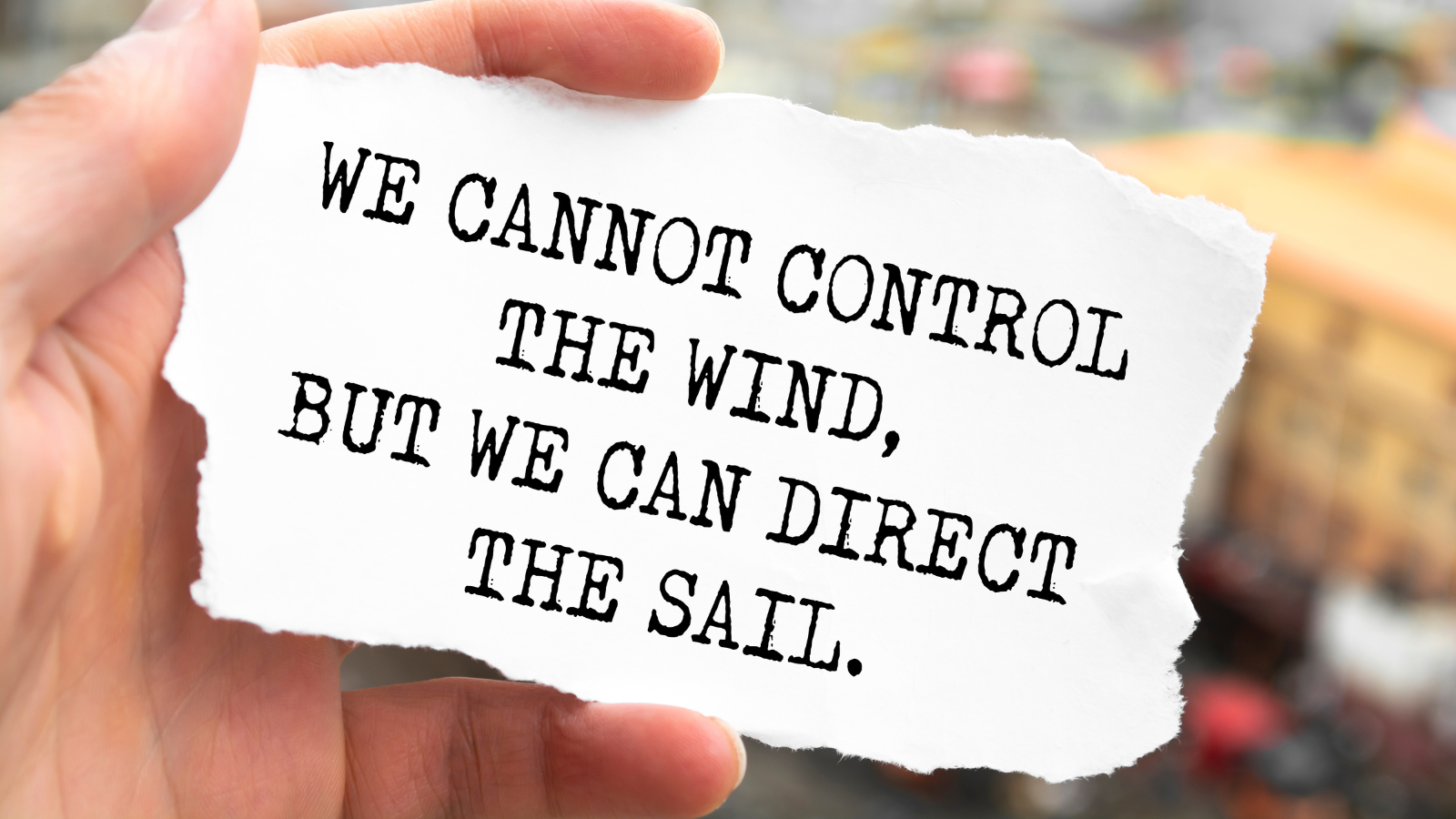
You can't control the current, the market, or eliminate uncertainty. But you can control whether your anchor is set, whether your team is trained, and whether you understand your exposure. You can control whether a position exists because of a deliberate decision or because nobody has dealt with it yet, and whether your business has a plan before the pressure arrives. That's the lesson I took away from that afternoon.
Plan A is always to manage the manageable. Not because preparation guarantees nothing will go wrong (it doesn't), but because the middle of a problem is a very expensive place to discover what you should have addressed earlier.
At White Commercial, we spend a lot of time helping grain businesses do exactly that: build stronger decision-makers, understand exposure, create discipline around basis trading, and develop people so one person isn't carrying all the knowledge. We help you make decisions with a plan, rather than letting the market make the decision for you.
The best time to find the weak point in your business isn't when the pressure is already on. It's while everything still looks fine.
Start with our free Basis Trading 101 Mini-Course →
— Phil Luce, CEO, White Commercial Corporation